

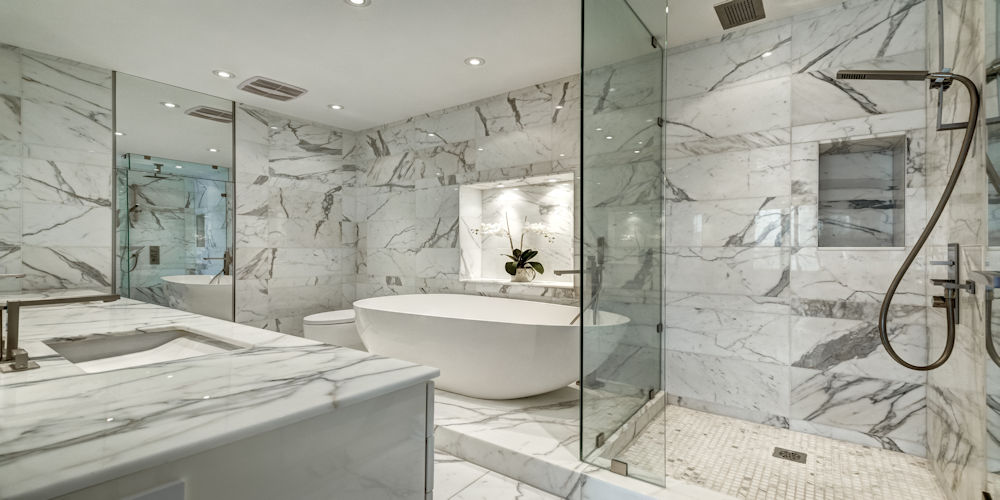
Why Improving Your Home with a New Bathroom Is a Game-Changer
Improving your home with a new bathroom is one of the most effective and rewarding home improvements you can make. It’s not just about replacing tiles or fitting a new shower; a carefully planned bathroom renovation can completely transform how your home looks, feels and functions every single day. Whether you are updating a tired, dated space or creating a brand-new ensuite, a modern bathroom upgrade can add real comfort, style and practicality to your daily routine.
In the UK, more homeowners than ever are choosing to invest in bathroom renovation projects as part of their wider home improvement plans. A well-designed new bathroom can add value to your home, make it more attractive to buyers, and give you that “hotel luxury” feeling without leaving the house. From quick makeovers to full bathroom remodels, the benefits are wide-ranging: improved usability, better storage, increased energy and water efficiency, and a more relaxing environment. If you are wondering where to start with home improvement, a new bathroom is a game-changing upgrade that offers both immediate enjoyment and long-term rewards.
How a New Bathroom Can Increase the Value of Your Home
A new bathroom can have a significant impact on your property’s value, especially in the competitive UK property market. Estate agents regularly point out that kitchens and bathrooms are the rooms that most strongly influence buyers’ decisions. If you are looking to increase property value, a well-executed bathroom renovation is one of the smartest investments you can make. A fresh, modern space instantly boosts the overall appeal of your home and can help justify a higher asking price when you come to sell.
When handled correctly, the return on investment from a bathroom remodel can be impressive. Potential buyers often see a new bathroom as one less major job to tackle after moving in, which can make your property stand out from similar homes in your area. A clean, stylish, and functional bathroom suggests that the rest of the house has been looked after, too. Even if you are not planning on selling your home soon, installing a new bathroom adds value in everyday use, improving your comfort, convenience and pride in your living space.
Planning Your New Bathroom: From First Ideas to Final Layout
Successful bathroom renovation starts with careful planning. Before you buy anything, it’s vital to think through how you currently use your bathroom and how you’d like it to work in the future. Do you need more storage, a bigger shower, or more room for family use? Creating a clear bathroom remodelling plan helps you avoid costly changes later on and ensures that every inch of space is put to good use.
When exploring bathroom layout ideas, consider the needs of everyone in your home. Small bathroom design often focuses on clever space-saving solutions, such as wall-hung units or corner basins, while a family bathroom design may prioritise a bath for children and plenty of easy-access storage. Ensuite planning might involve making the most of compact areas off the master bedroom, balancing privacy with practicality. In the UK, it’s also essential to be aware of relevant building regulations for bathrooms, including ventilation, electrical safety (such as zoning for sockets and lighting) and plumbing standards. Measuring accurately, thinking about where existing pipework runs, and sketching a few different layout options can help you progress smoothly from first ideas to a final, functional design.
Choosing a Style: Modern, Traditional or Luxury Spa-Inspired?
Once you have a basic plan, the next step is choosing a style that suits both your home and your personal taste. Modern bathrooms in the UK often feature clean lines, minimal clutter, and contemporary finishes such as matt black taps, large-format tiles and sleek, handleless vanity units. This style works particularly well in newer properties or for anyone who prefers a fresh, streamlined look.
Traditional bathroom design, on the other hand, can be perfect for period homes or those who want a classic, timeless feel. Think pedestal basins, roll-top baths, and elegant taps in chrome or brushed brass. Decorative tiles, panelling and traditional-style radiators can help complete the look. For those seeking true indulgence, luxury bathroom ideas and spa-inspired schemes are increasingly popular. A spa bathroom might include a walk-in shower with a rainfall head, soft, layered lighting, natural materials and warming features that create a calm, sanctuary-like space. By browsing contemporary bathroom trends, classic bathroom styles and plenty of bathroom décor inspiration, you can define a look that feels cohesive and will still appeal for years to come.
Fixtures and Fittings That Make the Biggest Difference
The fixtures and fittings you choose will have a huge impact on how your new bathroom looks and works. One of the first decisions is often bath vs shower. If you have the space, combining both can give flexibility and appeal to different users and future buyers. In many UK homes, a walk-in shower is high on the wish list, offering easy access, a modern aesthetic and a feeling of space. Upgrading to a rainfall shower can turn everyday washing into a more luxurious experience.
Freestanding baths have become a statement feature, ideal for larger rooms where the bath can take centre stage. In more compact bathrooms, a shower-bath or a smartly sized straight bath works well. Wall-hung toilets and vanity units create more visible floor area, helping the room feel bigger and easier to clean, while built-in bathroom storage keeps surfaces clear and organised. Details such as a heated towel rail add both comfort and a touch of luxury, while water-saving taps and eco-friendly bathroom fittings help reduce bills and support more sustainable living. Investing in the right fixtures and fittings ensures your bathroom not only looks impressive but also stands up to regular, everyday use.
Maximising Space and Light in Any Size Bathroom
Whether you have a tiny cloakroom or a generous family bathroom, maximising space and light is key to creating a room that feels comfortable and inviting. Small bathroom solutions often rely on clever design tricks, such as using compact bathroom storage, slimline units, and sliding doors instead of those that open into the room. Light, neutral colours and large mirrors help bounce light around, making even the smallest spaces feel bigger and brighter.
In larger bathrooms, the challenge can be making the space feel cohesive and not too empty. Thoughtful large bathroom design might include zoning different areas for bathing, showering and getting ready, as well as incorporating seating or feature lighting. A light and airy bathroom can be achieved with a combination of natural light, where possible, and layered artificial lighting. Mirrors and lighting work together to create depth and interest, from illuminated mirror cabinets to wall lights by the vanity. Clever bathroom layouts that minimise wasted corners and make good use of vertical space can dramatically improve the functionality and overall feel of any bathroom.
Bathroom Materials, Surfaces and Finishes That Last
Choosing the right materials, surfaces and finishes is essential for creating a bathroom that not only looks attractive but also stands up to moisture, heat and daily wear. When it comes to bathroom tiles in the UK, porcelain and ceramic are two of the most common choices. Porcelain tiles tend to be denser, more durable and less porous, making them particularly suitable for floors and high-traffic areas, while ceramic tiles can be a cost-effective option for walls. Selecting non-slip tiles for floors, especially in wet areas and family bathrooms, can improve safety without sacrificing style.
Beyond tiles, you might consider wall panels for a seamless, low-maintenance finish in showers or around baths. These can be easier to clean and reduce the risk of grout discolouration. Paying attention to good-quality grout and sealant is crucial for preventing leaks, damp and mould over time. For worktops in bathrooms, materials such as quartz, solid surface or treated wood can offer a blend of durability and attractive appearance. Easy-clean surfaces on basins, toilets and shower screens can also help keep your new bathroom looking fresh with less effort. By prioritising durable bathroom materials and finishes, you protect your investment and ensure your renovation continues to look good for years.
Lighting, Heating and Ventilation: Comfort You’ll Notice Every Day
The finishing touches that truly elevate a bathroom are often the ones you feel rather than immediately see. Thoughtful bathroom lighting ideas can transform the room from a purely functional space into somewhere you genuinely enjoy spending time. A mix of LED spotlights for general illumination, mirror lighting for tasks like shaving or applying make-up, and perhaps softer wall lights for a relaxing bath-time atmosphere gives you flexibility for different uses.
Heating is equally important. Underfloor heating in a bathroom creates a cosy, spa-like feel and helps the room dry out more quickly, reducing condensation. If underfloor heating is not practical, a good-quality heated towel radiator can warm the space and keep towels dry and fluffy. Ventilation should never be overlooked: an effective extractor fan that meets UK regulations is vital for controlling condensation, preventing mould and protecting your décor and fixtures. A warm and cosy bathroom with proper ventilation doesn’t just feel more comfortable; it also keeps your new renovation in better condition for longer.
Smart Technology to Modernise Your Bathroom
Smart technology can take your bathroom to the next level, offering convenience, efficiency and a sense of modern luxury. A smart bathroom might feature a digital shower that allows you to control temperature and flow at the touch of a button, or even pre-set programmes for different members of the family. Smart mirrors with built-in lighting, demisters and Bluetooth connectivity make getting ready more enjoyable and practical.
You could also integrate a Bluetooth bathroom speaker for listening to music, podcasts or the morning news while you shower, or install motion sensor lighting so that low-level lights come on automatically at night. Smart underfloor heating controls let you schedule warmth for when you need it most, improving comfort and energy efficiency. These high-tech bathroom upgrades not only modernise your home but can also make daily routines smoother and more enjoyable, adding another layer of appeal for future buyers.
Budgeting for a New Bathroom in the UK
Understanding bathroom renovation cost in the UK is essential before you start. Prices can vary widely depending on the size of the room, the quality of fixtures, and whether you are simply updating existing fittings or changing the entire layout. Setting a realistic budget from the outset helps you make sensible choices and avoid nasty surprises. You might decide to focus on a new bathroom on a budget, choosing good-quality mid-range products and keeping plumbing in the same place, or you may opt for a more premium scheme with luxury finishes and bespoke features.
Breaking down the cost of your bathroom into key elements – such as labour, fixtures, tiles, lighting and extras – will give you a clearer picture of where your money is going. There are plenty of affordable bathroom ideas, from choosing simpler tile layouts to mixing high-street units with a few statement pieces. Comparing mid-range vs luxury bathroom options can help you decide where it’s worth spending more and where you can save. If needed, you might also explore finance options offered by some bathroom companies or banks to spread the cost. Careful budgeting ensures you get the best possible result for your investment without overstretching yourself.
DIY vs Hiring Professionals: Getting It Right First Time
When it comes to installing your new bathroom, you’ll need to decide whether to tackle any of the work yourself or hire professionals. Some homeowners choose a DIY bathroom approach for tasks such as painting, simple tiling or assembling flat-pack furniture, which can help reduce costs. However, plumbing, electrics and more complex tiling are usually best left to qualified tradespeople to ensure everything is safe, compliant and finished to a high standard.
Finding the right bathroom fitter in the UK can make a big difference to the outcome of your project. It’s wise to gather multiple bathroom installer quotes, check reviews, and ask to see previous work before committing. You may also need a separate plumber and electrician, particularly if you’re moving pipework or adding new lighting circuits. Choosing a reliable bathroom company or experienced independent tradespeople helps you avoid common renovation mistakes, such as leaks, poor tiling or incorrect waterproofing. Getting it right first time saves time, money and stress in the long run.
Common Pitfalls When Improving Your Home with a New Bathroom (and How to Avoid Them)
Even with the best intentions, bathroom renovations can go wrong if not planned carefully. Common bathroom renovation mistakes include underestimating the budget, rushing decisions, or choosing style over practicality. Hidden bathroom costs can arise from issues such as outdated plumbing, rotten floorboards, or the need to upgrade electrics, especially in older UK properties. Allowing a contingency in your budget helps you handle these surprises if they appear.
Poor ventilation issues, leaks and damp are other major pitfalls. Skimping on a good extractor fan, neglecting proper tanking in wet areas, or using low-quality grout and sealant can all lead to problems later on. Bad layout problems, such as doors clashing with fixtures or insufficient space around the toilet or basin, can make the room frustrating to use. In some cases, you may need to consider planning permission or building control, particularly if you’re adding a new bathroom where one didn’t exist before or altering drainage. Creating a snagging list at the end of the project allows you to pick up and correct any minor defects before you make the final payment, ensuring your new bathroom is finished to the standard you expect.
Real-Life Transformations: Before-and-After Bathroom Makeovers
Nothing shows the impact of a new bathroom quite like real-life transformations. Before-and-after bathroom examples reveal how even the most outdated, cramped or poorly designed spaces can be turned into stylish, practical rooms that feel completely different. Looking at renovation case studies can be a great way to gather ideas and see what’s possible in homes similar to your own.
Small bathroom transformations often demonstrate clever use of light colours, mirrors, walk-in showers and built-in storage to make the most of limited space. Outdated to modern bathroom makeovers might involve replacing old tiles, removing bulky suites, and introducing contemporary fixtures and finishes. These inspiring bathroom upgrades not only look impressive in photos but also show how thoughtful design can improve everyday life, from easier cleaning to more enjoyable, relaxing routines.
Improving Your Home with a New Bathroom – Take the First Step Today
Improving your home with a new bathroom is a powerful way to enhance both its value and your day-to-day comfort. From boosting your property’s appeal on the UK market to creating a space that genuinely supports your lifestyle, the benefits of a well-planned bathroom renovation are hard to ignore. Whether you dream of a sleek modern ensuite, a family-friendly main bathroom or a spa-inspired retreat, there are options to suit every home, budget and taste.
Now is the ideal time to start your bathroom project. Begin by clarifying what you want to achieve, gathering ideas, and sketching out a realistic plan. Then, seek bathroom quotes from reputable installers, compare options, and refine your design. By taking that first step to plan your new bathroom, you can transform your home, invest in long-term comfort and enjoyment, and create a space you’ll appreciate every single day.