

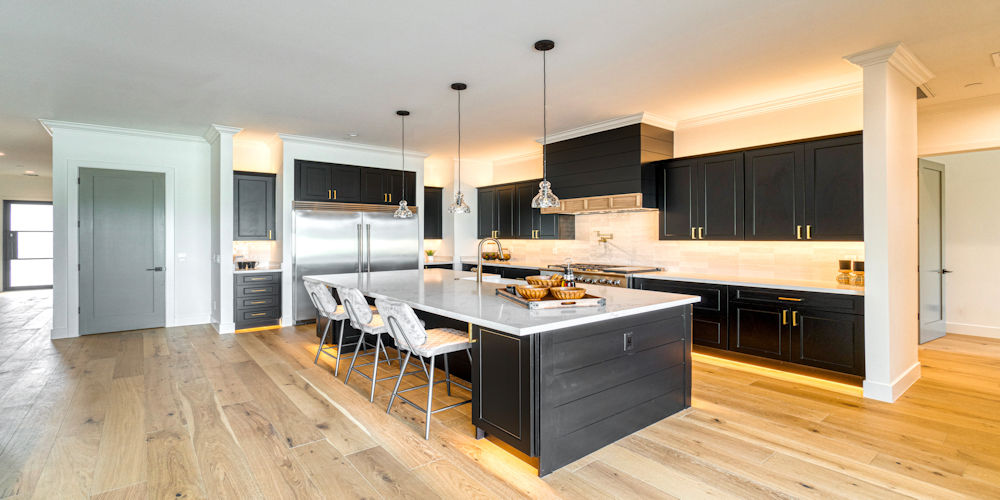
Your kitchen is often called the heart of the home, and for good reason. It’s where meals are prepared, conversations unfold, and everyday life ticks along. But even the most well-loved kitchens can start to feel tired over time. Whether it’s dated cupboards, a lack of space, or appliances that no longer pull their weight, a refresh can make a world of difference.
Before diving headfirst into a full kitchen revamp, it’s worth understanding what’s actually involved, how much it might cost, how long it could take, and what you’ll need to think about along the way.
Signs It Might Be Time for a Kitchen Update
Not sure if your kitchen needs attention? Here are a few tell-tale signs:
- A dated look that no longer suits your taste
- Poor layout or limited storage
- Inefficient appliances or inadequate lighting
- Worn worktops or damaged flooring
- A growing household needing more practical space
- An outdated kitchen affecting your property’s value
If any of these sound familiar, updating your kitchen could significantly improve both your day-to-day living and your home’s appeal.
Remodel vs Renovation: What’s the Difference?
The terms are often used interchangeably, but there is a distinction:
- Kitchen renovation usually means updating the surface elements, think new worktops, repainting cabinets, or replacing fixtures, without altering the layout.
- Kitchen remodel involves more substantial changes, such as knocking through walls, installing an island, or reworking plumbing and electrics.
Understanding which route you’re taking will help shape your budget and expectations.
What to Consider Before You Start
1. Your Lifestyle
Consider how you actually use your kitchen. Do you enjoy hosting? Need more prep space? Or simply want better lighting? A good design should suit your routine, not just look the part.
2. Storage
Clever storage can transform even the smallest kitchen. Features like pull-out shelves, corner carousels, hidden drawers, and tall units can maximise space and keep things organised.
3. Lighting
Natural light is ideal, but don’t overlook layered lighting. Task lighting, under-cabinet LEDs, and statement pendants all play a role in creating a functional and inviting space.
4. Energy Efficiency
Opting for energy-efficient appliances, water-saving taps, and LED lighting can help reduce bills and lower your environmental impact—something many UK homeowners are increasingly mindful of.
5. Adding Value
A well-designed kitchen can boost your home’s value, particularly when it combines quality finishes with a timeless look. It’s often one of the most worthwhile upgrades you can make.
How Long Does It Take?
Timelines can vary depending on the scale of the project, but as a general guide:
- Design and planning: 2–4 weeks
- Ordering materials: 2–6 weeks (longer for bespoke items)
- Strip-out and prep: around 1 week
- Build and installation: 4–8+ weeks
Working with an experienced contractor can help keep everything on track and minimise disruption.
Final Thoughts
Updating your kitchen isn’t just about improving your home, it’s about creating a space that works for you and your lifestyle. Whether you’re planning a full remodel or a more modest refresh, careful planning and the right team can make all the difference.
With a clear vision and the right support, achieving your ideal kitchen is entirely within reach.