

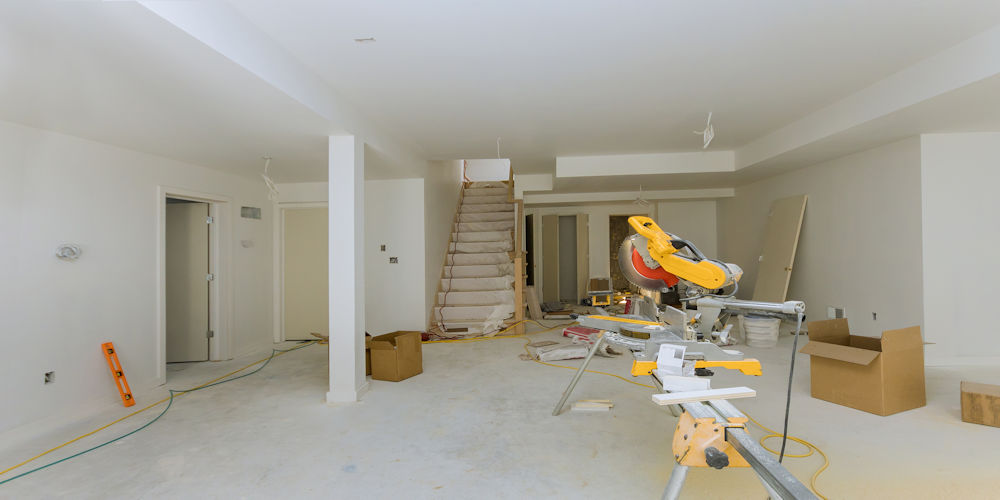
Home Improvements: Key to Increasing the Value of Your Property
If you want to add real value to your home in the UK – rather than simply spending money on cosmetic changes – strategic home improvements are essential. Thoughtfully planned upgrades can increase your house price, make your property more attractive to buyers, and deliver a strong return on investment when you come to sell or remortgage. From targeted renovations that boost kerb appeal to energy‑efficient upgrades that improve your EPC rating, the right improvements can significantly enhance both the market value and day‑to‑day enjoyment of your home.
Instead of guessing what might impress future buyers, it pays to understand which home improvements genuinely add value, how local property “ceiling prices” work, and which projects offer the best balance between cost and potential uplift in value. By focusing on well‑chosen, practical upgrades rather than over‑personalised or excessive work, you can boost your property’s appeal, speed up the sale process and give yourself a much stronger negotiating position.
Understanding What Adds Genuine Value
Not every pound you spend on your home will come back to you when you sell. To maximise value, you need to understand how both buyers and RICS surveyors look at your property. In the UK, what adds most value to a house is often a combination of location, space, layout, condition and efficiency – all viewed through the lens of comparable local sales.
Buyers typically prioritise features such as modern kitchens and bathrooms, good natural light, energy efficiency, storage and outdoor space. Surveyors, on the other hand, will assess your home against recent sales in the area, factoring in structural condition, quality of improvements, square footage, number of bedrooms and bathrooms, and the overall level of finish. Strong kerb appeal, a solid EPC rating and popular features such as off‑street parking, a usable garden and an extra bedroom can all nudge their valuation upwards.
It’s also crucial to be aware of your local property “ceiling price”: the upper limit that buyers in your area are realistically prepared to pay, based on current market trends. If you spend well beyond this level, you risk over‑improving your home – investing more in renovations than you are likely to recoup. The most effective approach is to align your improvements with buyer priorities in your area and aim for a standard of finish that fits the price bracket your street can support.
Maximising Kerb Appeal: First Impressions
First impressions can make or break a viewing. Kerb appeal – how your property looks from the outside – strongly influences how buyers feel before they even step through the door and can subtly increase perceived value. Fortunately, many kerb appeal improvements are relatively low‑cost compared with the impact they deliver.
Simple upgrades such as repainting or replacing the front door, resurfacing a tired driveway, or tidying brickwork and paths can transform the entrance. Fresh exterior painting, rendering or cladding can modernise a dated façade and make the whole property look cleaner and more contemporary. Front garden landscaping – trimming hedges, adding attractive planting, defining paths and borders – helps create a welcoming, cared‑for impression. Practical touches such as quality outdoor lighting, a clear house number, a smart letterbox and a well‑maintained gate or fencing all signal that the home has been looked after. These relatively modest changes can make your property stand out in online listings and encourage more potential buyers through the door, often for a fraction of the cost of major building work.
Kitchen Upgrades: The Heart of the Home and a Major Value Driver
In the UK, the kitchen is frequently seen as the heart of the home and is one of the first spaces buyers will scrutinise. A tired, cramped or poorly designed kitchen can drag down the overall appeal of an otherwise good property, while a well‑planned, attractive kitchen can be a major value driver.
You do not always need a full refit to make a difference. Strategic kitchen improvements that add value include fitting new worktops, replacing dated cabinet doors, upgrading taps and sinks, and installing modern, integrated appliances that create a sleek, built‑in look. Better task and ambient lighting – under‑cabinet strips, pendant lights over an island or dining area, and well‑placed ceiling spots – can instantly lift the space. If your layout allows, creating an open‑plan or semi‑open kitchen‑diner by knocking through to an adjoining room can add a real “wow” factor, improve flow and make your home more appealing to families and entertainers alike.
For some properties, a budget kitchen makeover – re‑painting units, changing handles, updating flooring and adding a modern splashback – will offer the best return, especially if your area’s ceiling price is modest. In higher‑value locations, a full, professionally designed refit with quality units and appliances may be justified. The key is to choose a style and specification that suits your property type and target buyer, without overspending on ultra‑high‑end finishes that the local market will not repay.
Bathroom Improvements: Modern, Low‑Maintenance Spaces That Impress Buyers
Bathrooms are another area where buyers expect a certain standard. Dated suites, mouldy grout and poor ventilation can quickly put people off, whereas fresh, modern and low‑maintenance bathrooms are highly attractive and can add noticeable value.
Often, relatively simple bathroom updates can have a big impact: re‑tiling or deep‑cleaning and re‑grouting existing tiles, installing a new, contemporary shower enclosure or a walk‑in shower, fitting a heated towel rail and replacing old sanitaryware with clean, modern designs. Water‑saving fixtures, such as dual‑flush toilets and efficient shower heads, appeal to eco‑conscious buyers and can help reduce running costs.
If space allows, adding an additional downstairs loo or creating an en‑suite bathroom to the main bedroom can significantly boost desirability, especially for families and professional couples. Smart small bathroom layout ideas – such as wall‑hung units, mirrored cabinets and sliding doors – can make even compact spaces feel bigger and more functional. As with kitchens, you do not need to go ultra‑luxury; a crisp, neutral and well‑finished bathroom that looks easy to keep clean will do far more for your property value than a high‑end design that feels fussy or overly personal.
Adding Space: Extensions, Loft Conversions and Garage Conversions
In many parts of the UK, adding usable square footage is one of the most reliable ways to increase house price. Extra bedrooms, bathrooms or living areas can move your home into a higher price bracket and broaden its appeal to a wider pool of buyers.
Rear extensions and side return extensions can create larger kitchen‑diner spaces or family rooms that suit modern living, especially in period terraces and semis. Loft conversions – particularly dormer loft conversions that provide good headroom – are a popular way to add an extra bedroom and sometimes a bathroom without losing garden space. A well‑designed loft bedroom can make your property far more competitive in areas where three‑ or four‑bed homes command a premium.
Garage conversions can also offer excellent value where on‑street or driveway parking is still adequate. Turning an underused garage into a home office, guest room, gym or playroom can dramatically improve how liveable your home feels without the cost of building from scratch.
However, with all these projects, it is vital to consider planning permission, permitted development rights and building regulations. Engaging a structural engineer and reputable professionals ensures the work is safe, compliant and well‑executed – factors that surveyors will check and buyers will take comfort from. Done properly and in line with local demand, adding space can be one of the most effective ways to protect and grow your investment.
Energy Efficiency and Eco‑Upgrades: Boost Value and Cut Bills
Energy‑efficient home improvements are increasingly important to UK buyers, not only for environmental reasons but also because of rising energy costs. A better EPC rating can make your property more attractive and may even influence mortgage options for some purchasers.
Improvements such as double or triple glazing, loft and cavity wall insulation, or appropriate solid wall insulation can dramatically reduce heat loss and make your home more comfortable. Upgrading to a modern, efficient boiler, installing smart heating controls and zoning systems, and sealing draughts all contribute to lower energy bills – a strong selling point that buyers are quick to appreciate.
For some properties, renewable technologies like solar panels or an air source heat pump may be worth considering, especially where government support or green home grants (where available and applicable) can help offset the initial cost. Eco‑friendly features such as rainwater butts, sustainable materials and energy‑efficient lighting can further enhance your home’s appeal. When presented clearly at viewings and in marketing materials, these upgrades help buyers picture a home that is both cheaper to run and better for the planet, which can justify a higher asking price.
Optimising Layout and Flow: Creating a More Liveable, Valuable Home
How a home works day to day is just as important as its size on paper. A property with a thoughtful layout and good flow often feels bigger, brighter and more comfortable, making it more desirable and, in many cases, more valuable.
Simple layout changes such as knocking through non‑structural walls to create a more open‑plan or “broken‑plan” arrangement can transform dark, cramped rooms into flexible, airy spaces. Conversely, in some homes it may be better to introduce partial partitions or sliding doors to create distinct zones for work, relaxation and family time while retaining a sense of openness. Reconfiguring awkward hallways, removing redundant doors and improving circulation routes can all make daily life easier.
Adding clever storage solutions – built‑in wardrobes, under‑stairs cupboards, bespoke shelving and the conversion of dead space in alcoves or loft eaves – helps rooms feel more spacious and organised. Enhancing natural light through larger windows, rooflights or bi‑fold and sliding doors to the garden can significantly uplift the perceived quality of the space. Buyers are often happy to pay more for a home that simply “flows” better and supports modern lifestyles, even if the official square footage is unchanged.
Garden and Outdoor Living: Turning Outside Space into an Asset
Outdoor space is a major selling point in the UK, particularly in urban and suburban areas where gardens are highly sought after. A well‑designed, low‑maintenance garden can add genuine value and make your home stand out, whereas an overgrown or neglected plot can be seen as a burden.
Consider straightforward garden improvements that add value: define usable zones for seating, dining and play; create a neat patio or decking area; and ensure access from the house to the garden feels natural and inviting. Landscaping ideas such as simple planting schemes, lawn edging, raised beds and attractive pots can create a stylish look without requiring constant upkeep. Good quality fencing and screening offer privacy and security – key concerns for many buyers.
Features such as outdoor lighting, a fixed seating area, and weather‑resistant furniture all help people imagine themselves enjoying the space. A garden office or studio, where permitted, can be particularly appealing in the era of hybrid working, adding functional extra space without a full extension. A south‑facing garden is often considered a bonus in property listings; presenting it well with appropriate planting and seating can help you maximise that natural advantage.
Cosmetic Updates That Make a Big Difference on a Modest Budget
Not every improvement needs a large budget or planning consent. Well‑chosen cosmetic updates can refresh your property quickly, making it feel more modern, more neutral and more move‑in ready – all factors that encourage stronger offers.
Fresh paint in light, neutral tones can make rooms feel larger, cleaner and brighter, providing a blank canvas that appeals to a wide range of buyers. Replacing tired flooring or carpets, especially in high‑traffic areas, helps to lift the overall impression of quality. Swapping dated light fittings for simple, contemporary designs, updating door handles and hardware, and adding a tasteful feature wall or focal fireplace makeover can subtly modernise the entire interior.
Decluttering and thoughtful home staging are also extremely powerful. Removing excess furniture, personal items and bulky storage allows buyers to see the true proportions of each room and imagine their own belongings in the space. These small improvements and presentation tweaks can add value surprisingly fast, helping your property photograph better for online listings and stand out during viewings.
Smart Home Technology: Modern Features That Appeal to Today’s Buyers
Smart home technology is no longer just a novelty; for many buyers, it is becoming an expected part of a modern, well‑equipped home. While not all gadgets add direct monetary value, the right smart upgrades can increase perceived value and help your property feel more up to date and future‑proof.
Popular additions include video doorbells, smart thermostats, security cameras and alarm systems that can be controlled from a smartphone. Smart lighting systems, which allow you to set scenes and schedules, and integrated sound systems that provide discreet audio in key rooms, are also attractive to tech‑savvy buyers. A connected home hub that ties these elements together can make the technology easy to use rather than overwhelming.
The goal is to choose tech that enhances comfort, security and efficiency without being overly complicated or so bespoke that it will quickly date. Emphasising how these systems help reduce bills, improve security and simplify everyday living can make your home stand out in a competitive market.
Working with Professionals: Getting Quality Work That Protects Your Investment
No matter how good your ideas are, the quality of workmanship will strongly influence both buyer confidence and surveyor valuations. Poorly executed work can actually reduce value, whereas professional, well‑documented improvements reassure buyers that they are making a sound investment.
Start by finding reputable builders and tradespeople. Check independent reviews, ask for references and look for membership of recognised trade bodies or schemes such as TrustMark. Always obtain written quotes and detailed contracts that set out the scope of work, timelines, payment stages and responsibilities. For larger projects, ensure you have the necessary planning permissions and building control sign‑off, and keep all paperwork organised for future buyers.
Look for warranties and guarantees on both materials and labour, and create a snagging list towards the end of the project to ensure any minor issues are addressed before final payment. Effective project management – whether you take this on yourself or hire someone – helps keep costs under control and maintains quality standards. All of this demonstrates that your home improvements are not just cosmetic, but solid, compliant and likely to stand the test of time.
Choose the Right Home Improvements
Strategic home improvements, chosen with a clear understanding of buyer priorities and local market limits, are one of the most powerful tools you have to increase the value of your property. From boosting kerb appeal and refreshing kitchens and bathrooms, to adding well‑designed space, upgrading energy efficiency and improving layout and flow, each decision you make can either strengthen or weaken your eventual return.
Tailor your upgrades to your area, property type and target buyer, and always keep an eye on overall spend versus likely uplift, to avoid over‑improving. Prepare carefully for valuations and viewings by presenting your home at its best, with all documentation for works carried out ready to hand over. By planning a value‑boosting home improvement roadmap now – focusing on projects that genuinely enhance both liveability and long‑term appeal – you can protect your investment, enjoy a better quality of life in the meantime, and put yourself in the strongest position when the time comes to sell or remortgage.