

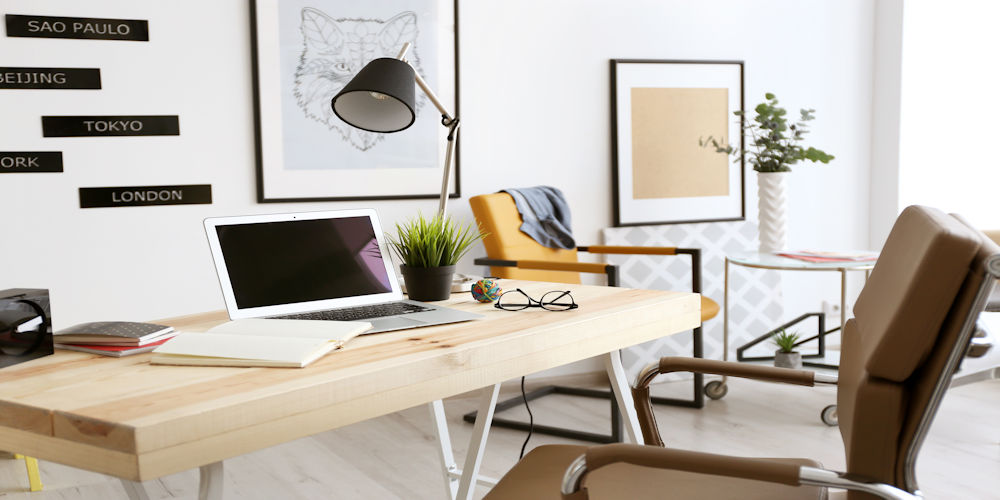
Creating a well-organized home office can completely reshape the way you work, boosting both productivity and creativity. As remote work becomes more common, having a dedicated, thoughtfully arranged workspace is no longer a luxury, it’s essential. The good news? You don’t need a complete overhaul to see results. A few intentional changes can dramatically improve how you approach your workday.
From clearing clutter to refining your layout, organizing your home office doesn’t have to feel overwhelming. With practical strategies and a personal touch, you can build a space that not only looks great but actively supports your workflow. Let’s explore how to make that happen.
Why Organizing Your Home Office Matters
A tidy workspace does more than just look appealing, it directly impacts how you work and feel. An organized home office reduces distractions, helping you stay focused and efficient throughout the day. Studies consistently show that clutter can hinder concentration, while a clean environment encourages clearer thinking and better output.
When everything has its place, your workflow becomes smoother. You spend less time searching for documents or supplies and more time actually getting things done. This improved efficiency naturally leads to stronger time management and higher-quality results.
There’s also a mental benefit. A well-ordered space creates a sense of calm, reducing stress and boosting motivation. Over time, maintaining an organized office builds positive habits that support long-term productivity and professional growth.
Key Elements of an Effective Home Office
Designing a functional workspace starts with a few essential considerations:
Smart Space Planning
Think carefully about how you use your space. Position your desk near natural light to reduce eye strain and elevate your mood. Keep frequently used items within easy reach, and consider using corners or alcoves to create a cozy, focused work zone. If you attend virtual meetings, designate a specific area that feels clean and professional.
Thoughtful Furniture Choices
Comfort is key to staying productive. An ergonomic chair that supports good posture can make a significant difference over long hours. Choose a desk with enough surface area for your essentials, and consider adjustable or multifunctional furniture to maximize flexibility. Your furniture should also reflect your personal style to make the space more inviting.
Practical Storage Solutions
An organized office relies on smart storage. Shelving units can hold books and décor while keeping important items accessible. Drawer organizers help maintain order, and vertical storage like wall-mounted shelves frees up valuable floor space. Filing systems and labeled containers ensure everything has a designated place, making it easier to stay organized over time.
Simple Tips to Stay Organized
Declutter Regularly
Start by removing anything that doesn’t serve a purpose in your workspace. Keep only the essentials, your computer, notebooks, and everyday tools. Digitize documents where possible to reduce paper clutter, and adopt a “one in, one out” rule to prevent buildup. Regularly clearing out unused or broken items keeps your space functional and stress-free.
Create Functional Zones
Dividing your office into specific zones can significantly improve your workflow. Set up separate areas for focused work, creative thinking, and breaks. Even small distinctions — like a different chair or lighting — can help signal a shift in activity. This structure makes it easier to transition between tasks and maintain focus throughout the day.
Tools That Make a Difference
Essential Office Supplies
Having the right tools within reach keeps your day running smoothly. Stock up on basics like pens, notebooks, and planners to stay on top of tasks. Desk organizers and file holders help reduce clutter, while cable management solutions keep cords tidy and out of sight.
Digital Organization Tools
Digital tools can streamline your workflow even further. Task management apps help prioritize projects, while cloud storage keeps your files accessible from anywhere. Calendar apps simplify scheduling, and note-taking tools make it easy to capture and organize ideas. Time management techniques, like using a timer for focused work sessions, can also help you stay on track.
Final Thoughts
Transforming your home office into an organized, efficient space is one of the most impactful changes you can make to your work routine. By decluttering, optimizing your layout, and using the right tools, you create an environment that supports both productivity and creativity.
The effort you invest in organizing your workspace pays off every day, not just in what you accomplish, but in how you feel while doing it. A well-structured home office doesn’t just help you work better, it helps you enjoy the process.