

Why the Right Tools of the Trade Matter for Every DIY Person
If you enjoy rolling up your sleeves and tackling jobs around the house, the tools you choose genuinely make all the difference. The right tools of the trade for the DIY person don’t just make tasks easier – they make them safer, faster and far more satisfying. A well-thought-out DIY toolkit of essentials helps you work more accurately, reduce costly mistakes and achieve a finish that looks far closer to professional work.
Whether you’re putting up shelves, assembling furniture, painting a room or attempting your first bit of plumbing, having the basic tool collection ready to hand can be the difference between a smooth afternoon job and a weekend of frustration. By investing in a sensible set of beginner DIY tools and home improvement tools from the start, you set yourself up to take on a wider range of projects with growing confidence.
Start Here: The Core Hand Tools Every DIY Person Should Own
Every capable DIY person begins with a solid foundation of essential hand tools. This is your everyday, reach‑for‑it‑first DIY hand tool set – the items that live in your toolbox and come out for almost every task. At the very least, you’ll want a good‑quality claw hammer for driving in and removing nails, a reliable tape measure for checking sizes, and a dependable spirit level to make sure everything you install is straight and true. A selection of screwdrivers, both flathead and Phillips, will cover most basic fixings, while a couple of pairs of pliers help you grip, bend and cut wires or small components. An adjustable spanner is invaluable for dealing with nuts, bolts and plumbing fittings without needing a full spanner set. Add a sharp utility knife for cutting packaging, trimming materials and scoring lines, and you have the backbone of a useful basic toolkit.
Starting with these core hand tools ensures you can tackle most small household jobs confidently, and you can expand from there as your projects become more ambitious.
Power Up: Must‑Have Power Tools of the Trade for Serious DIY Projects
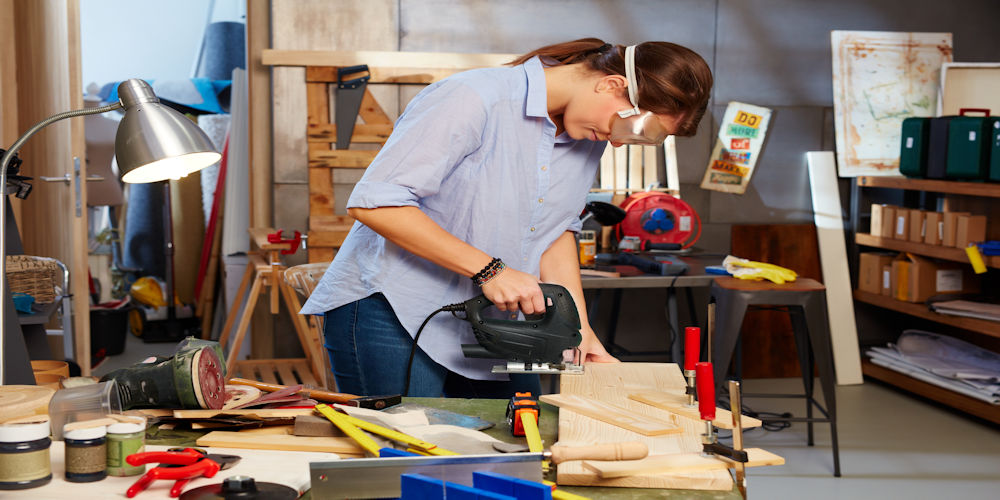
Once you’re comfortable with hand tools, it’s time to power up. For anyone serious about DIY, a few key DIY power tools dramatically speed up work and open the door to more advanced projects. A cordless drill driver is usually the first must‑have: it allows you to drill holes in wood, metal and masonry and drive screws quickly without straining your hands. Pair it with an impact driver if you regularly work with tougher materials or larger fixings. A circular saw makes straight cuts in timber and sheet materials much quicker and more accurate than a hand saw, while a jigsaw excels at curved and intricate cuts. A versatile multi‑tool can sand, cut and scrape in tight spaces, making it one of the most useful cordless tools for DIY when dealing with awkward corners or detailed repair work.
Rounding off a basic power tool starter kit, a sander helps you smooth surfaces before painting or varnishing, saving hours of manual sanding. Investing in a small selection of well‑chosen power tools can turn time‑consuming chores into manageable weekend projects and significantly lift the standard of your results.
Measure Twice, Cut Once: Measuring and Marking Tools for Accurate DIY Work
Accurate measurements and neat markings are at the heart of any professional‑looking job, which is why the old saying “measure twice, cut once” still holds true. Relying on guesswork usually leads to wasted materials and wonky finishes, so it pays to equip yourself with the right DIY measuring tools. A sturdy measuring tape is essential for everything from checking furniture will fit through a doorway to planning the layout of shelves.
A combination square helps you mark and check precise right angles, crucial for carpentry and framing work. A good spirit level ensures your pictures, cabinets and curtain poles are perfectly horizontal or vertical. For larger areas or outdoor work, a laser level can project straight, visible lines across walls or rooms, making alignment much easier. Simple marking tools such as a carpenter’s pencil or a marking gauge give you clear, repeatable lines to cut or drill along. When you take a few extra minutes to measure accurately and mark carefully, every cut, fix and fitting tends to fall into place much more smoothly.
Fixing and Fastening: Screws, Nails, Anchors and the Tools to Use Them
Fasteners are the unsung heroes of DIY, holding your projects together out of sight. Understanding when to use nails vs screws and how to choose the right fastener for the job can dramatically improve the strength and longevity of your work. Nails are often better for quick structural joins in timber, while screws provide stronger, adjustable fixings for items like shelves and brackets. For fixing into brick, blockwork or plasterboard, you’ll need suitable wall plugs or rawl plugs to give your screws something solid to grip. Alongside this selection of fixings and fittings, it’s worth building up a small range of screwdriver bits and drill bits so your drill driver can handle different screw types and materials.
A nail set allows you to drive nail heads neatly below the surface of wood, ready for filling and painting. By choosing the right screws, nails and anchors – and using the proper tools with them – you’ll create installations that feel secure and stand the test of time, rather than wobbling or pulling loose after a few months.
Safety First: Essential PPE and Safe Working Habits for DIY People
No toolkit is complete without proper safety gear, and taking DIY safety seriously is one of the smartest habits you can develop. Essential PPE for DIY includes safety glasses to protect your eyes from dust and flying debris, and sturdy work gloves to shield your hands from sharp edges, splinters and rough materials. A dust mask or respirator is crucial when sanding, cutting or working with materials that create fine particles, while ear protection helps prevent hearing damage when using loud power tools. If you spend time kneeling while tiling, flooring or gardening, padded knee pads can make a huge difference to your comfort and long‑term joint health.
Just as important as the gear itself are safe working habits: keeping your workspace tidy, securing workpieces before cutting or drilling, and reading instructions before trying out a new tool. By making PPE and safe tool use a non‑negotiable part of your routine, your home workshop becomes a place where you can focus on the satisfaction of the job, rather than worrying about potential accidents.
Organise Like a Pro: Tool Storage, Maintenance and Looking After Your Kit
Looking after your tools is a bit like looking after a car: a little maintenance and organisation goes a long way. Proper tool storage keeps everything easy to find, reduces the risk of damage and extends the life of your kit. A basic toolbox or tool bag is ideal when you’re starting out and need to carry essentials around the house or to a friend’s place. As your collection grows, a larger tool chest or a pegboard storage system on the wall of a shed or garage can make it much easier to see everything at a glance.
Regular cleaning of tools, wiping off dust and grime, and applying light oil where appropriate helps prevent rust and corrosion. Sharpening blades on knives, chisels and cutting tools not only makes them more effective but also safer to use, as sharp tools require less force and are easier to control. By taking a few minutes after each project to put tools back in their place, check for wear and deal with rust prevention, you protect your investment and ensure your DIY tools are ready to go whenever inspiration strikes.
Budget vs Premium: How to Choose Quality Tools Without Overspending
Building a toolkit doesn’t mean you have to empty your wallet. The key is knowing when budget tools are perfectly adequate and when trade‑quality tools are worth the extra money. For tasks you only tackle occasionally, best value DIY tools from reputable budget ranges can perform very well and free up cash for other items. However, for tools you use regularly – such as a cordless drill driver, tape measure or screwdrivers – it often makes sense to spend more on durability, comfort and reliability. Look for tool warranties and read reviews to judge long‑term performance rather than just the price tag.
Buying tools on a budget can also mean picking up a starter tool kit UK retailers offer, which often bundles several core tools for less than buying them individually. By striking a balance between budget and premium, you can assemble a capable, reliable set of tools of the trade without overspending, focusing your money where it really counts.
Specialist Tools of the Trade for Popular DIY Projects
As your confidence and ambition grow, you’ll start to take on more specific projects that call for specialist tools of the trade. For decorating, you’ll appreciate having decent paint rollers and brushes for different finishes, filler knives for smoothing over cracks and holes, and masking tools to keep edges sharp. Plumbing DIY tools such as a pipe wrench, pipe cutter and PTFE tape help with basic jobs like changing taps or fixing small leaks. Electrical DIY tools, including insulated screwdrivers, voltage testers and wire strippers, are essential if you plan to change light fittings or sockets safely. Tiling tools – tile cutters, spacers and grout floats – make it far easier to achieve neat, even tiling work.
For those drawn to woodworking, items like chisels, clamps, hand planes and saws allow you to build furniture, shelving and bespoke storage. You don’t need to buy everything at once, but adding the right specialist DIY kit for the projects you enjoy most will significantly expand what you can confidently achieve.
Where to Buy: Finding Reliable DIY Tools in the UK
In the UK, you’re spoilt for choice when it comes to finding reliable DIY tools. Major UK DIY stores such as Screwfix, B&Q, Wickes and Toolstation offer a wide range of brands, from entry‑level to professional, often with knowledgeable staff and clear product information. Online tool shops in the UK provide even more choice, along with customer reviews that can help you compare options from the comfort of your sofa. If you’re building a toolkit on a tighter budget, second‑hand tools from local marketplaces, car boot sales or recycling centres can represent excellent value, especially for sturdy hand tools.
Many retailers also sell tool bundles and starter kits tailored to DIYers, which can be a cost‑effective way to cover the basics. By mixing local buying for items you want to handle first with online research and occasional second‑hand finds, you can assemble a dependable toolkit that suits both your projects and your pocket.
From Novice to Confident DIY Person: Building Your Toolkit Over Time
No one becomes an expert overnight, and the same is true of your tool collection. Think of building your toolkit as part of your DIY skills progression: as you learn new techniques and attempt new tasks, you upgrade tools and add more specialised items. Start by prioritising tool purchases that allow you to complete the jobs you need to do right now, then gradually work towards creating a home workshop that reflects your interests.
Flat dwellers may focus on compact, multi‑purpose tools and a neatly organised box or bag, while homeowners with more space might invest in a workbench, larger power tools and dedicated storage. Over time, you’ll learn which tools you rely on constantly and which were nice ideas but rarely used. This experience helps you make smarter buying decisions and ensures each new purchase genuinely boosts your capability. Step by step, you move from nervous novice to confident DIY person, comfortable planning and completing projects that once felt out of reach.
Build the Right Set of Tools of the Trade and Tackle Your Next DIY Project with Confidence
Putting together the right tools of the trade for the DIY person is one of the best investments you can make in your home and your own skills. When you invest in quality tools where it matters, look after them properly and add to your essential DIY toolkit thoughtfully, everyday problems become achievable projects rather than expensive call‑outs.
With a solid mix of core hand tools, carefully chosen power tools, sensible safety gear and a few specialist items for the jobs you enjoy most, you can start your tool collection and grow it with purpose. The result is simple but powerful: greater DIY confidence, better‑finished work and the freedom to get started with DIY projects whenever you choose. Build the toolkit that suits your life, and you’ll be ready to tackle your next home improvement project with genuine assurance and pride.